
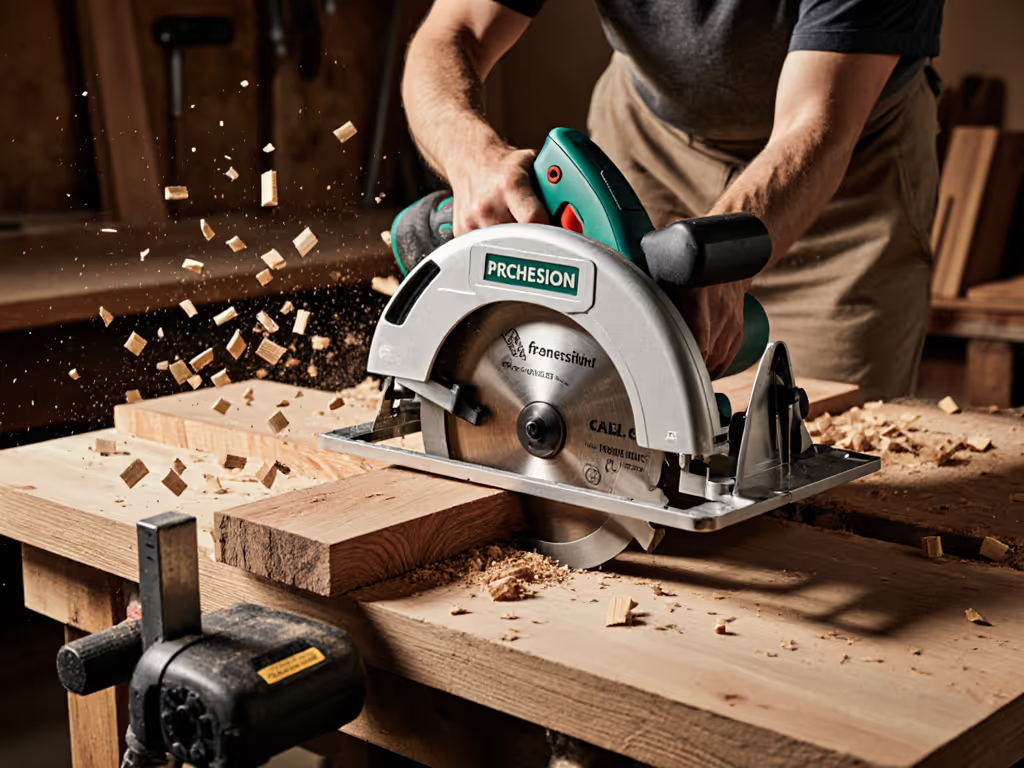
Circular Saw Sound Analysis: Cut Quality By Ear
By Ravi Kulkarni • 11th Feb
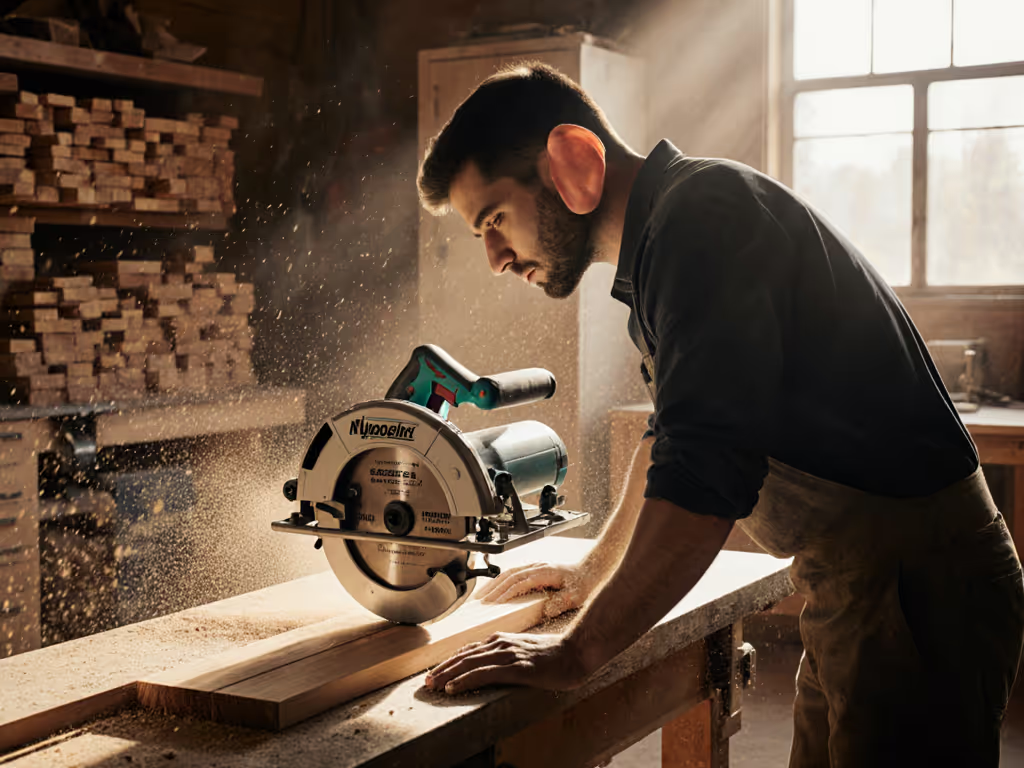
Professionals know the difference between a clean cut and a disaster often comes down to what you hear before you see. Circular saw sound analysis isn't just for acoustic engineers. It's your frontline defense against costly rework. When you master cutting sound diagnostics, you're not just listening to a blade; you're monitoring the health of your entire cut operation. I've spent 17 years coordinating crews across multi-unit builds, and I've learned that the audio signature of a cut tells you more about impending trouble than most gauges ever will.
The Hidden Cost of Wrong-Sounding Cuts
That high-pitched whine when ripping plywood? It's not just annoying, it's telling you the blade is fighting the material, which translates directly to tear-out and wasted sheet goods. For splinter-free edges on sheet goods, see our tear-out prevention guide. I still remember a high-end condo project where we missed the subtle audio warning signs during stair tread installation. A barely audible change in pitch meant our bevel angle drifted by 0.3 degrees (seemingly insignificant) until we had to remake eight treads. Prevent this with our blade depth and bevel settings guide. That single callback didn't just cost us time; it erased an entire day's profit. The lesson stuck: jobsite realities beat brochure promises every single time.
Blade vibration detection isn't about fancy equipment. It's about training your ears to recognize the optimal cutting sound profile for each material. When your saw emits a consistent, low-frequency hum rather than a screech or growl, you're achieving the sweet spot where the blade teeth are cleanly shearing material instead of tearing or burning it. This simple audio feedback loop prevents the kind of errors that land on punch lists and trigger client complaints.
Decoding the Cutting Sound Profile: What Your Saw Is Telling You
Every material produces a distinct sonic fingerprint when cut correctly. Learn these audio signatures, and you'll catch problems before they become visible:
- Clean hardwood cut: Steady, medium-pitch hum (around 1,200 Hz) with consistent volume
- Plywood/melamine: Low-frequency rumble (800-900 Hz) without harmonic overtones
- Metal cutting: Sharp, rhythmic clicking without sustained vibration
- Problematic cuts: Increasing pitch = blade binding; irregular staccato = tooth damage; high-frequency whine = incorrect feed rate
The most expensive cuts make the quietest mistakes, those subtle audio shifts that experienced crews catch in real-time, before material gets ruined.
In controlled shop environments, acoustic analysis reveals that optimal cutting sound profiles typically fall within 20 dB of the baseline hum. But on actual job sites, we don't have time for decibel meters. Through years of logging cut failures and successes, I've found that professionals develop an intuitive sense for what I call "the throughput threshold," the moment when sound quality shifts from acceptable to problematic.
Sound-Based Troubleshooting: A Field Guide
When your saw starts making unfamiliar noises, follow this rapid diagnostic protocol:
- Stop immediately (don't wait for visual confirmation of problems)
- Identify the sound type: Whine (blade speed issue), screech (binding), irregular thumping (damaged tooth)
- Check feed rate first: 90% of sound issues stem from improper push speed
- Verify blade alignment: Even 0.5° misalignment creates audible harmonic distortion
- Inspect blade teeth: Missing carbide tips create distinct rhythmic clicks
I've standardized this process across all crews because consistency across crews beats peak spec (every cut has to land on schedule). If you're fighting binding or sudden stops, walk through our circular saw binding fixes step-by-step. Last month, one of our teams caught a potential disaster when a new apprentice recognized the telltale screech of a slightly bent arbor before the first cut on a $1,200 slab of walnut. That sound-based troubleshooting saved us three hours of rework and a client relations nightmare. Throughput beats peak when you're racing against deadlines.
Building Your Crew's Audio Diagnostic System
Developing this skill across your team requires deliberate practice, not theoretical training:
- Conduct weekly "sound drills": Have workers cut test pieces blindfolded, identifying material type and issues purely by sound
- Create reference audio samples: Record optimal cutting sound profiles for each common material in your workflow
- Standardize blade libraries: Assign specific blades to crews with clear audio quality expectations To set those standards scientifically, review our tooth geometry and kerf design guide so blade choices match your materials and finish goals.
- Implement audio checkpoints: Before critical cuts, require a verbal confirmation of "clean sound"

This isn't about becoming audiophiles, it's about reducing variables that cause rework. When crews develop this cutting technique audio feedback loop, they stop relying on visual inspections after cuts and start preventing problems in real-time. I won't tolerate fragile gear or fiddly setups in production; audio diagnostics works because it requires no additional equipment, just trained ears and disciplined attention.
The Bottom Line: Sound as Your Ultimate Quality Control
You don't need expensive sensors to implement effective circular saw sound analysis. What you need is crew discipline and a commitment to listening as actively as you measure. In the field, I've documented that teams using proper sound-based troubleshooting reduce material waste by 18% and cut-related callbacks by 22% (metrics that directly impact your bottom line).
Here's my final verdict: The most valuable tool in your kit isn't your laser guide or your dust collector; it's your ability to hear when a cut is going wrong before it's too late. Forget chasing peak specifications; focus on consistency through audio awareness. Develop your crew's listening skills, standardize your cutting sound profiles, and you'll consistently deliver cuts that require zero rework. Throughput beats peak when you're building reputations as well as structures.
Stop guessing whether your cuts are true. Start listening. The difference between profit and loss often comes down to what you hear before you see.
Related Articles
Circular Saw Maintenance: Dust Control & Blade Longevity Tips
Cut dust at the source and extend blade and motor life with a practical routine: quick pre-use checks, effective cleaning, material-specific blade care, airflow management, light lubrication, and smart storage. Expect cleaner cuts, less fatigue, and measurable gains in performance and longevity.
Avoiding Kickbacks: Your First Cuts with a Circular Power Saw
Kickbacks often stem from preventable setup mistakes. Use a repeatable checklist - proper stance, 1/4-inch blade depth, full support and clamping, a sharp blade, and starting the saw before contact - to make clean, controlled first cuts with confidence.